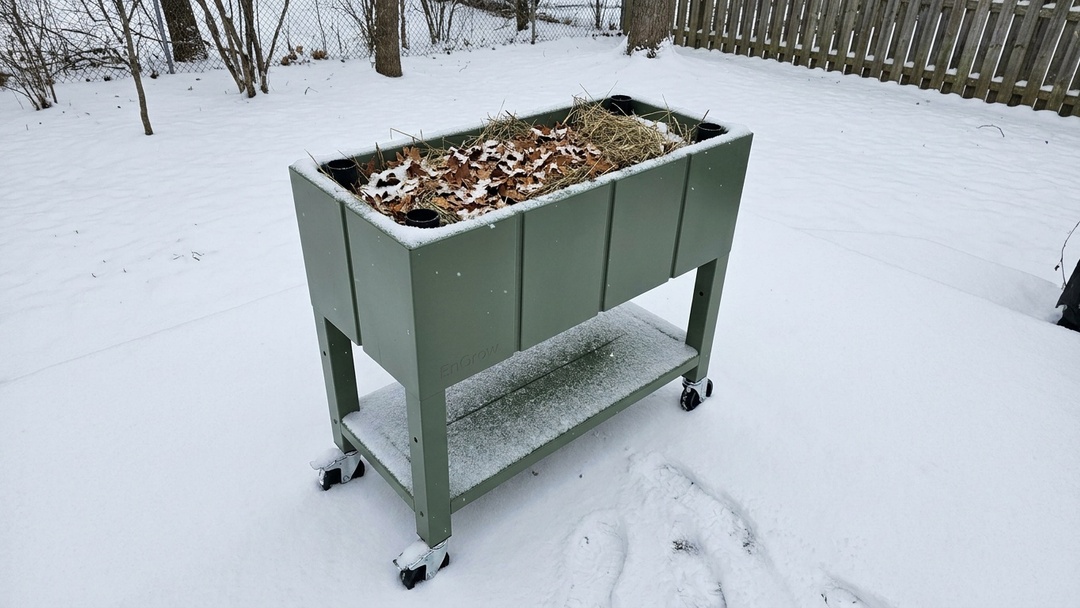

So, why are your plants dying?
Providing a comprehensive answer to this question would take a while. Instead, we'll give an overview of the types of issues that can cause gardens to struggle. From here, we'll do a deep dive on one frequently overlooked cause of plant death: a lack of oxygen in the root zone.
The Common Culprits
While growing in raised or elevated garden beds solves many common backyard gardening headaches, plants can still run into trouble if their basic needs are out of balance. Here are the primary issues to watch for:
- Environmental extremes: Plants suffer when exposed to excessive sun, deep shade, heat waves, frost, or rapid temperature swings. Needs vary widely by plant species; for instance, Red Oleander thrives in the sun, whereas shade-lovers like Impatiens quickly wilt when left without shade for more than a few hours.
- Watering imbalances: Both overwatering and underwatering disrupt the moisture balance roots need to function.
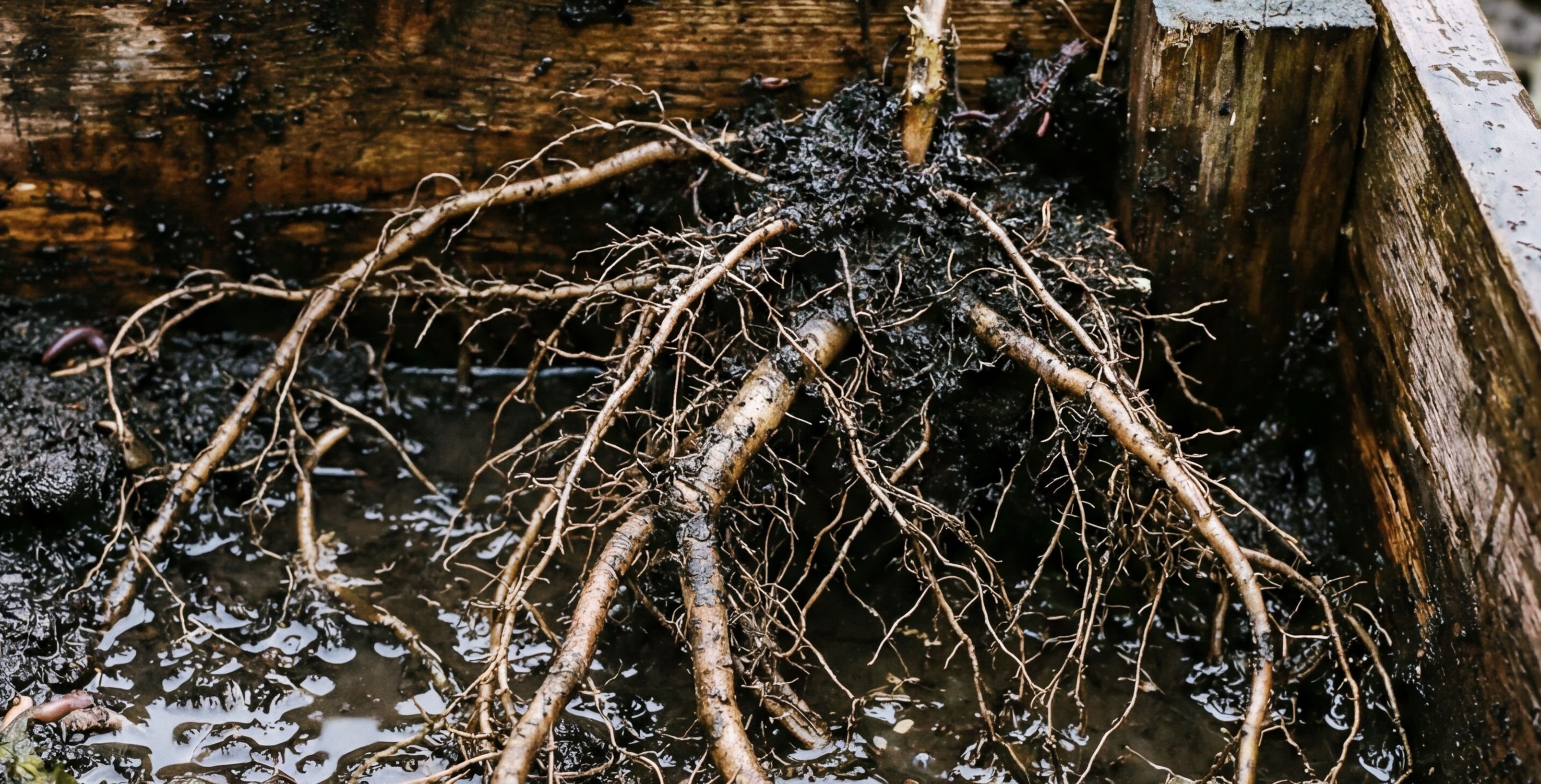
- Soil and root asphyxiation: Poor drainage or compacted soil suffocates root systems by cutting off airflow. When oxygen levels in the root zone drop below 10% to 12%, root growth halts, leaving plants trapped in dense, unusable soil.
- Nutrient imbalances: Deficiencies in essential macronutrients—nitrogen, phosphorus, and potassium (NPK)—or toxicities from over-fertilizing can harm growth. Fortunately, when using fresh, quality potting soil in raised or elevated garden beds, nutrient deficiency is rarely an immediate problem.
- Biological pests: Insects, aphids, mites, and nematodes can feed on foliage, stems, or roots, damaging the physical structure of your plants.
- Diseases: Fungal and bacterial infections, such as root rot, powdery mildew, or blight, can rapidly take down vulnerable plants.
- Chemical or physical damage: Herbicide drift, poor water quality (see our article on the importance of water quality*), pet urine, or mechanical damage can cause sudden plant decline.
Why Living Soil Depends on Oxygen
For organic gardeners cultivating living soil, oxygen is one of the primary building blocks supporting the entire ecosystem. That underground network is known as the soil food web - a biological community of microbes, fungi, and beneficial organisms that partner with your plants to keep them thriving (look out for our upcoming deep-dive article on the soil food web*).
How do plants and soil biology actually use oxygen? The short answer is respiration. Respiration is the process through which living cells use oxygen to convert nutrients into usable fuel.
- Plant root respiration: Plant roots combine dissolved oxygen with glucose produced during photosynthesis to generate cellular energy (adenosine triphosphate, or ATP). That energy powers the uptake of moisture and vital nutrients. Without oxygen, roots cannot make ATP; without ATP, they cannot absorb nutrients and water; and without those essentials, plants wither and die.
- Microbial respiration: Plants naturally release carbon-rich sugars, called root exudates, into the surrounding soil to attract beneficial microbes. In an oxygen-rich environment, these microorganisms consume those exudates and break down organic minerals into bioavailable forms the roots can absorb. This cooperative exchange fuels both plant vitality and overall soil health.
When soil oxygen drops below 10% to 12%, beneficial aerobic respiration shuts down. Anaerobic bacteria (which thrive in airless environments) take over, beneficial microbes die off, and the plant's life-sustaining systems grind to a halt.

How Do You Keep the Root Zone Oxygenated?
Whether you garden in the ground or in raised containers, keeping oxygen moving through the soil comes down to three fundamental considerations:
- Ample drainage: Excess water must be able to drain freely through the soil profile. As gravity pulls water down, it pulls fresh atmospheric oxygen into the soil pores and expels trapped carbon dioxide.
- Proper soil structure: Quality soil blends contain porous materials like pumice or perlite that create micro-tunnels for air movement (check out our guide on selecting a proper soil blend*).
- Subsurface oxygen supplementation: Rather than relying solely on surface airflow, introducing air from underneath the bed ensures the base of the soil never becomes compacted or anaerobic.
How Do We Supplement Oxygen at the Base of the Soil?
This is where our thoughtful elevated garden bed design makes all the difference. In conventional containers, the base is where gravity causes soil to compact most tightly and where excess water tends to linger. Our elevated garden beds solve this challenge with TrueSoil® Technology, a patented aeration system designed to keep the entire soil profile oxygenated from top to bottom.
The system relies on two key components:
- The Soil Platform: A suspended structural deck that elevates the soil, creating an open-air chamber beneath it called the EcoChamber™.
- The EcoTubes™: Aeration channels that guide fresh atmospheric air directly into the EcoChamber™ and upward through the soil profile.
By supplying continuous airflow beneath the soil, TrueSoil® Technology provides plant roots and beneficial microbes with an endless supply of the oxygen they need to flourish.
Equally important, this design makes it impossible for standing water to collect and drown the base of your soil. When you water - or during heavy rain - excess moisture drains straight through the soil profile and drops into the EcoChamber™ below, rather than pooling around roots. From there, an integrated drain port compatible with standard garden hoses allows you to drain, store, or reuse that nutrient-rich runoff once your soil begins to dry.
By eliminating the wet, compacted dead zone typical of ordinary containers, the EcoChamber™ allows plant roots to safely utilize the entire depth of the bed without the danger of rot. As roots reach the aerated chamber at the bottom, exposure to ambient air naturally prunes root tips, triggering dense lateral branching and transforming the entire container into an active, thriving root zone.

The Drainage Dilemma: Why Self-Watering Beds Fall Short
Drainage and aeration are two sides of the same coin: whenever a container holds stagnant water, it inevitably suffocates the soil. This issue becomes especially clear when examining popular self-watering garden beds.
Self-watering garden beds are marketed as low-maintenance shortcuts because they reduce how often you need to water, but that convenience often comes with hidden consequences for plant health. (In fact, as we discuss in our article, Self-Watering Garden Beds Are Killing Your Harvests*, their subsurface reservoir design can severely limit your plants' potential.)
Self-watering beds rely on an internal reservoir beneath the soil, using wicking action to draw water upward. Here is why that setup frequently backfires:
- Persistent root drowning: Constantly wet soil at the bottom of the bed creates an anaerobic zone where roots rot and harmful, disease-causing organisms multiply.
- Impeded gas exchange: In natural ecosystems, rainwater moves downward from the surface, pulling fresh oxygen deep into root pores while expelling trapped gases like carbon dioxide. A flooded subsurface reservoir blocks this essential downward pull and traps stagnant air.
- Disruption of living soil biology: Beneficial microbes and mycorrhizal fungi require oxygen to break down nutrients and nourish roots. Saturated reservoir bases suffocate this ecosystem, leading to stunted growth and disappointing harvests.
Nature perfected the cycle of rain and soil aeration over millions of years. Outside of wetland environments, plants evolved around top-down watering. In an elevated garden bed built with TrueSoil Technology, you get the best of both worlds: natural, top-down watering that aerates the soil profile, paired with a ventilated open-air chamber that prevents waterlogging and guarantees complete oxygenation.
Final Thoughts
Oxygen is a silent hero in your garden. Whether you are growing in the ground, in traditional raised planters, or in an elevated garden bed, your plants can only perform as well as their root zone allows. By prioritizing sharp drainage, porous soil structure, and active subsurface aeration, you protect your living soil ecosystem, prevent root rot, and set your garden up for vigorous growth and bountiful harvests all season long.
* These blog posts are referenced but not yet posted. Sign up to receive communication to be the first to know when a new blog post goes up.